Inauguration TEAM (Trauma Evaluation And Management) training Launched in Rwanda
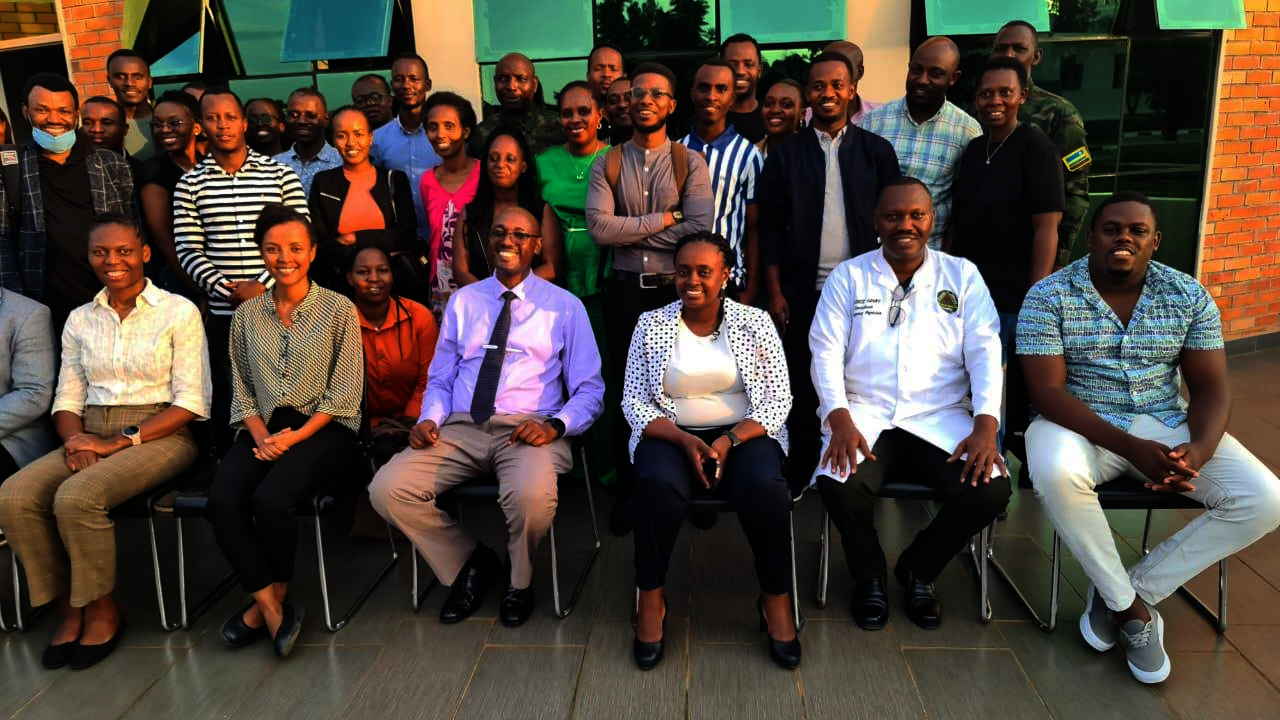
On December 9, 2024, a significant training program officially started in Rwanda, with the Rwanda Military Referral & Teaching Hospital (RMRTH) serving as the host institution. This program represents a major step toward strengthening emergency medical response and trauma care across the country through improved education and training for Healthcare providers.
The program, launched through collaboration with Rwanda's Ministry of Health and the American College of Surgeons, is part of an initiative to develop Emergency Medical Services (EMS) and trauma system advancements in Rwanda.
The launch was blessed by Dr. Menelas from the Ministry of Health and signifies the collective efforts and strategic partnerships aimed at improving trauma care nationwide.
Earlier today at RMRTH, the Team Training sessions commenced in alignment with the ongoing EMS reform implementation and the exceptional efforts of the National Trauma & EMS Taskforce ahead of the official ATLS promulgation scheduled for February 2025 in Kigali.
This marks a pivotal effort to ensure health workers are equipped with the skills necessary to respond effectively in pre-hospital, hospital, and post-hospital trauma settings.
Program Details and Objectives
The program is a long-term initiative focused on training healthcare providers across multiple levels of emergency care. It includes two major training components:
1. TEAM (Trauma Evaluation And Management)
This program is designed to improve trauma care by equipping nurses and other healthcare workers with skills for initial trauma evaluation and management.
2. Advanced Trauma Life Support (ATLS)
Scheduled to be promulgated in Rwanda on February 14, 2025, this specialized program will focus on advanced trauma life support procedures. Though this program is primarily designed for doctors and certified medical professionals, the best performers will be further trained to become instructors as the program also aims to train local instructors to support the healthcare system effectively. However, the ATLS program has strict licensing processes from the American College of Surgeons for those seeking to provide this program. Rwanda is one of the few countries in Africa to hold the license to offer ATLS training, making the country uniquely positioned to roll out these programs and expand emergency response capacity.
Who’s Involved in the Initial Program?
The first cohort for the TEAM training program comprises 35 nurses and Non-physician anesthetists representing key health institutions across Rwanda, including CHUB, Kabgayi , RMRTH, KFH, SAMU , and the Rwanda Biomedical Center (RBC). These trainees participated in comprehensive sessions designed to build their expertise in pre-hospital and initial trauma management.
Both TEAM and ATLS programs will strengthen emergency response skills across hospitals and field responses, improving patient survival and effective trauma evaluation.
Collaboration and Vision
This initiative is the result of collaboration between Rwanda’s Ministry of Health and the American College of Surgeons, contributing to the goal of improving pre-hospital, hospital and post-hospital trauma care through systematic capacity-building. Rwanda's achievement oflicensing to implement ATLS and TEAM highlights the nation’s strategic commitment to advancing its health systems and EMS capabilities.
The integration of these programs will support the development of robust trauma care systems while enhancing pre-hospital and emergency hospital preparedness. This is a pivotal step in the long-term vision of creating comprehensive and sustainable emergency response networks nationwide.
Conclusion
With this new training program, Rwanda has reinforced its position as a leader in advancing trauma care and emergency medical training in the region. As this program progresses, it will empower nurses, healthcare workers, and doctors with the essential knowledge and skills needed to save lives in trauma situations, both on the scene and in healthcare facilities. This collaboration demonstrates how partnerships can foster innovative, long-term solutions to healthcare emergencies, while positioning Rwanda as a key player in the advancement of emergency medical response capabilities.