Overview
Our Physiotherapy Unit’s daily preoccupation is promotion, maintenance, and restoration of movement, physical function, and quality of life in people/patients/client affected by injury, disease, disability, ageing, or other health conditions.
Our Physiotherapists assess movement and functional ability, establish treatment goals, deliver appropriate interventions, evaluate outcomes, and help our clients to manage their health independently.
Physiotherapy
Specialist team
Physiotherapist Specialists
Physiotherapists
Some of the major conditions managed in our Physiotherapy Unit among the in / out patients and intervention information include the following:
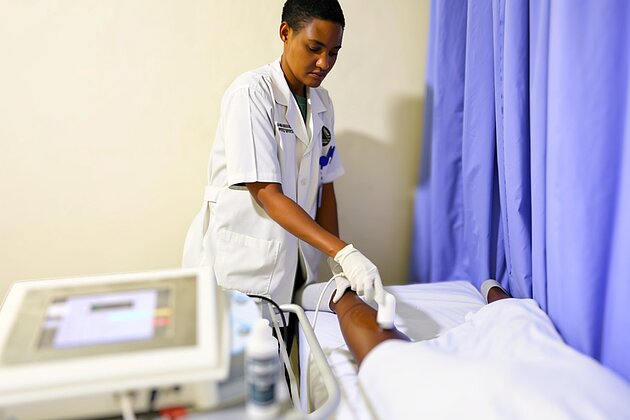
Musculoskeletal conditions
Conditions affecting muscles, bones, joints, tendons, and ligaments
some of which may range from:
- Low back and neck pain.
- Osteoarthritis and rheumatoid arthritis.
- Sprains, strains, and tendon injuries.
- Fractures and rehabilitation after immobilization.
- Shoulder pain, frozen shoulder, and rotator cuff disorders.
- Sports injuries and postoperative orthopaedic rehabilitation.
Main goals: Pain management, mobility, strength, and return to function.
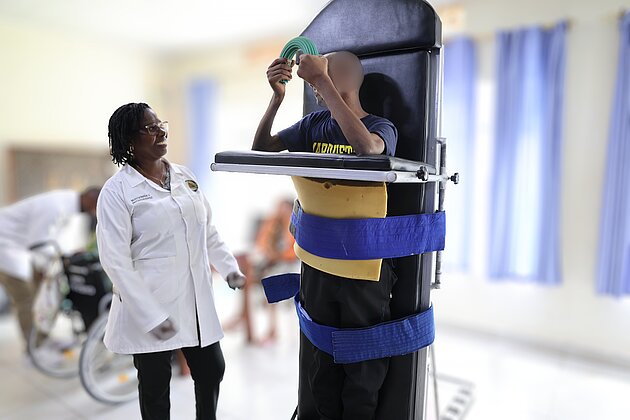
Neurological conditions
Conditions affecting the brain, spinal cord, peripheral nerves, and movement control.
Some of them include:
- Stroke.
- Parkinson's disease.
- Multiple sclerosis.
- Spinal cord injury.
- Traumatic brain injury.
- Cerebral palsy and other developmental motor disorders.
Main goals: improve posture, proprioception, balance, coordination, strength, mobility including walking and independence.
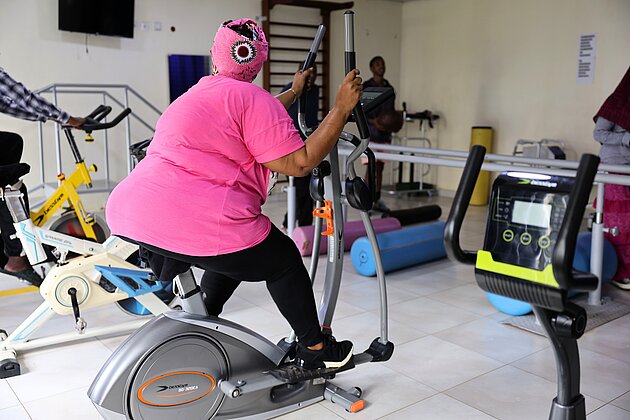
Cardiopulmonary conditions
Conditions affecting the heart, lungs, and exercise capacity.
Some of them include the following:
- Chronic obstructive pulmonary disease (COPD).
- Chronic respiratory conditions with secretion retention.
- Recovery after selected cardiac events or cardiac surgery.
- Reduced exercise tolerance after severe illness.
- Recovery after prolonged hospitalization or intensive care.
Main goals: improve exercise capacity, breathing control, airway clearance when indicated, and functional endurance.
Paediatric conditions
Conditions affecting children’s neuromuscuoskeletal development
Some of which may include:
- Cerebral palsy.
- Developmental delays affecting movement.
- Congenital musculoskeletal disorders.
- Neuromuscular disorders.
- Walking, balance, and coordination difficulties in children.
Main goals: support sensorimotor development, functional mobility, participation, and independence.
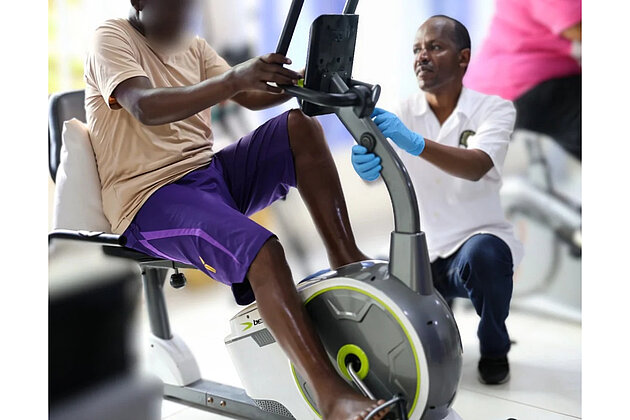
Geriatric conditions
Conditions associated with ageing, reduced mobility, and loss of physical capacity. Some of them may include:
- Frailty and muscle weakness.
- Falls and balance problems.
- Reduced walking ability.
- Osteoporosis-related functional limitations.
- Recovery following falls, fractures, and hospitalisation.
Main goals: preserve independence, improve strength and balance, and reduce falls risk.
Postoperative and other rehabilitation needs
- Recovery after joint replacement.
- Rehabilitation after spinal or other orthopaedic surgery.
- Burns and selected soft-tissue injuries.
- Cancer-related weakness, fatigue, and functional limitations.
- Rehabilitation after prolonged bed rest.
Main goals: restore function, prevent complications, improve activity tolerance, and support safe return to daily life.
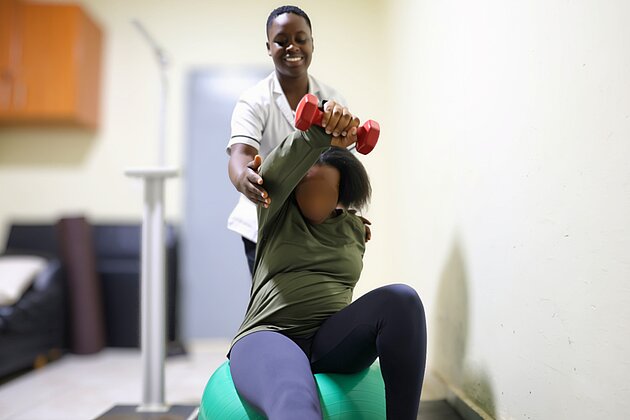
Women’s Health Conditions
Our Physiotherapists can helps women manage pelvic floor problems, pregnancy-related discomfort, recovery after childbirth, and other conditions affecting their physical health throughout life.
Main goals: Restore, maintain, and optimize physical function and quality of life by addressing conditions specific to the females' body through non-invasive, conservative care.